

Homemade Bath Salts: One Hour, No Phone and What It Does for Your Body
Toxin Free Recipe Series: Part 3
Most of us are running at a level of stimulation our nervous systems were not built for. Notifications, screens, the background hum of having to be across everything at once. The body registers all of it. And one of the places it shows up most clearly, over time, is in the gut.
When was the last time you took a bath with no phone and no interruption. Well this is your homework for this week! Make this incredibly simple Bath Soak, get everyone out of the house for an hour and take a bath. Trust me - i'm not a bath person and this converted me! Heres why its incredible for you and your GUT!
What chronic overstimulation does to the gut
The nervous system operates in two modes. The sympathetic state, commonly called fight or flight, is what gets activated under stress, pressure, or constant stimulation. The parasympathetic state, rest and digest, is where the body does its repair work: digesting food, regulating immune function and maintaining the gut lining.
When you spend most of your waking hours in sympathetic mode, which most people in modern life do, the gut pays a real price. Digestion slows. Gut motility decreases. The balance of bacteria in the microbiome shifts. Cortisol, elevated by chronic stress, suppresses immune function and creates the kind of environment where opportunistic organisms like Candida can gain ground. Candida overgrowth is not just a sugar problem. It thrives when the immune system is suppressed and cortisol is consistently elevated.
Screens compound all of it. Blue light before bed disrupts melatonin production, which also affects gut motility and the overnight repair cycle. The phone sitting on the edge of the bath is not a neutral object. It keeps your nervous system in a low-level state of readiness even when you feel like you are winding down (so leave it in another room!)
A genuinely uninterrupted half hour in warm water shifts the nervous system toward parasympathetic. That is the state where digestion functions properly, cortisol drops and the gut can get on with regulating itself. Put simply, its a time of bliss ha.
What epsom salts actually do
Epsom salts are magnesium sulphate. When dissolved in warm bath water, magnesium is absorbed through the skin. Most people are low in magnesium and do not know it. It is involved in over 300 processes in the body, including muscle relaxation, nervous system regulation and cortisol management. That physical feeling of tension releasing in a hot epsom salt bath is magnesium doing its job through the skin.
The sulphate component matters too. Sulphation is one of the liver's phase 2 detoxification pathways, involved in processing hormones, environmental chemicals, and metabolic by-products. Soaking in magnesium sulphate supports that pathway transdermally. It is one reason people feel not only more relaxed, but noticeably clearer after an epsom salt bath.
The sea salt adds trace minerals and has a mild anti-inflammatory effect on the skin.
Why we use a sleep promoting essential oil blend
Essential oils in a bath work through two routes: inhalation and skin absorption. Lavender is the most researched for relaxation and has been shown to increase GABA activity, the calming neurotransmitter that reduces anxiety and supports sleep. Chamomile, cedarwood, bergamot and vetiver are also commonly used in sleep blends and work on the same pathways.
The limbic system, which governs stress response and emotional regulation, is directly activated by scent. This is why a genuinely calming smell has a measurable effect on how you feel rather than just how your bathroom smells. If you already have a sleepy-time blend at home (hello parents with a baby or toddler), use that. If not, lavender alone does the job well.
The recipe
Makes enough for one bath. Stores well in a sealed glass jar.
Ingredients:
· 200g (approximately 1 cup) epsom salts (magnesium sulphate)
· 3 tablespoons sea salt
· 6 drops essential oil (lavender, rose, or a sleepy-time blend containing oils like chamomile, cedarwood, bergamot)
· Optional: dried rose petals to top the jar
Combine the epsom salts and sea salt in a bowl. Add the essential oil drops and stir through until evenly distributed. Transfer to a clean glass jar with a lid. If you are adding rose petals, scatter them on top before sealing.
To use: draw a warm bath (not too hot) and tip the full jar in while the water is running so everything dissolves evenly. Get in, put the phone in another room and try stay for at least 40 minutes. That gives a good amount of time for the magnesium to absorb and for the nervous system to genuinely shift.
The rose petals are optional but they make the whole thing feel a bit more considered plus they look beautiful floating around you while you soak. BUT just keep in mind that someone (probably you) has to scoop them out and clean the bath once your done!
Make it a proper wind-down
Brew a cup of our Blue Lotus Tea before you get in. It is a gentle herbal blend designed for exactly this kind of thing and it works well alongside everything the bath is doing for your nervous system. The combination of the tea and the salts gives the body two clear signals that cmon guys, it is time to switch OFF!
More in this series
Part 1 covered natural deodorant. Part 2 was lithuanian sauerkraut. This series is about practical, low-cost things you can make at home that reduce your toxic load and support your gut.
If you make this one, share it on Instagram and tag @zeallyherbs. We would especially love to see the rose petal situation! x

Read more
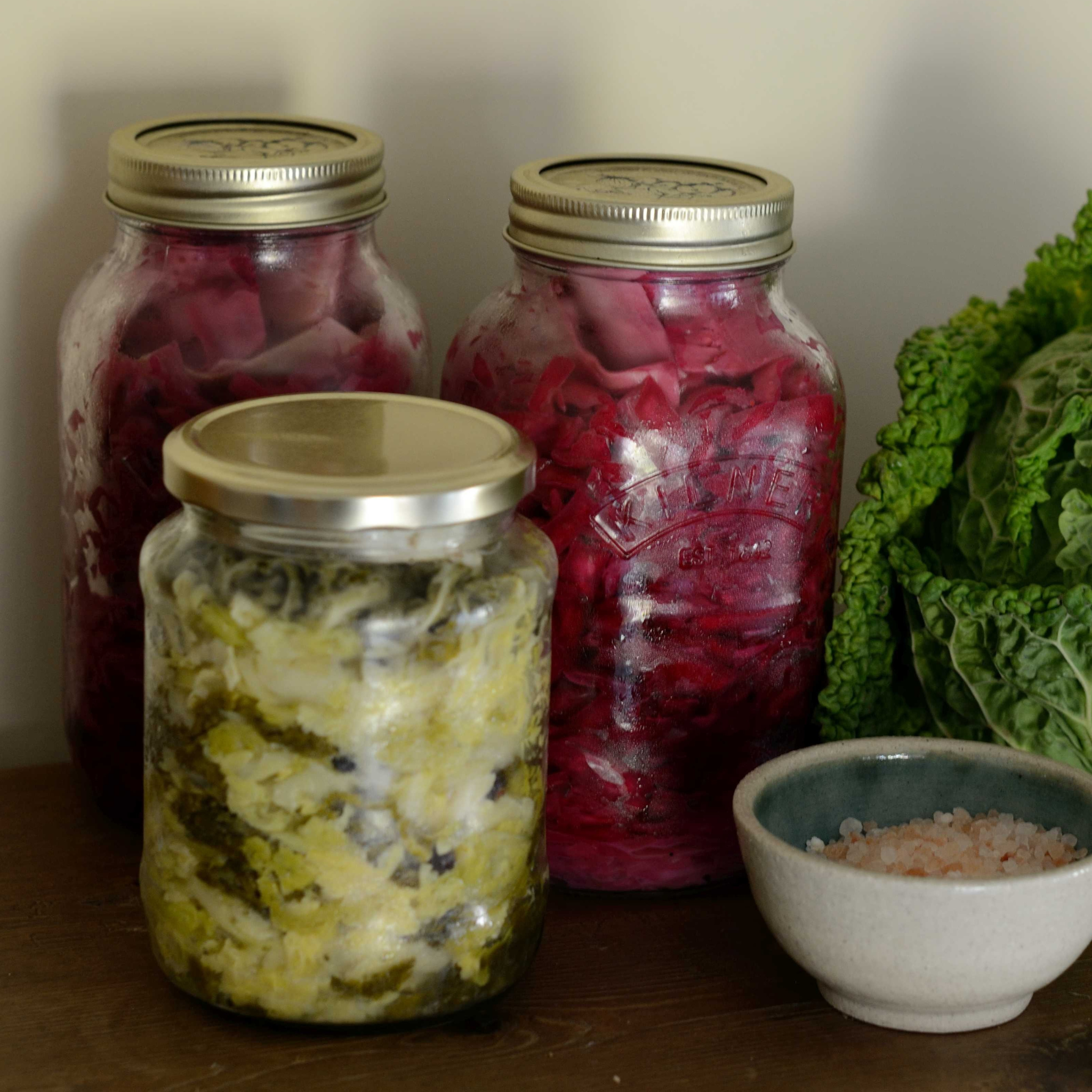
Rauginti Kopūstai: The Ferment I Grew Up Eating
Apple and cabbage sauerkraut with dill and caraway, made the Eastern European way. A living food your gut will use. Here is the recipe and why fermentation works
Read more
Zeally Herbs vs Other Australian Cleanses - Which To Choose?
Not all parasite and fungal cleanses are created equal, and we understand it can be hard to know which one is right for you. It is an investment in your health, so it is worth knowing what you are ...
Read more

