

Rauginti Kopūstai: The Ferment I Grew Up Eating
Toxin Free Recipe Series: Part 2
Growing up with a Lithuanian background, there were always jars of something fermented somewhere. Rauginti kopūstai (fermented cabbage) was just food. Not a wellness trend, not a supplement strategy. It was what your relatives made before winter came and it was on the table alongside most meals.
I have been making my own version for years. This one with green apple, fresh dill and caraway is what I keep coming back to and one my own kids love. The apple takes the edge off the sharpness, the caraway adds a warmth that is very much from that part of the world. The dill makes it taste like home.
Why this is more than a side dish
Lacto-fermentation is one of the oldest food preservation methods humans have used and it is still one of the most effective. The process involves salt creating an environment where naturally occurring Lactobacillus bacteria on the cabbage take over, producing lactic acid as they multiply. That lactic acid is what preserves the food and creates the characteristic sour flavour.
What you get on the other side is dense with live bacteria. These are the beneficial strains that support a healthy gut microbiome, improve how you digest other foods and help the body process and clear what it does not need. The gut and the liver work closely together on clearance. A well-populated microbiome supports that process more effectively than a depleted one.
This is why fermented foods belong in a clean living approach. Add a spoon to the side of every dinner plate and make it a habit! A small amount every day does more than a large amount once in a while.
One important note: young sauerkraut should never be cooked. Heat destroys the live bacteria and most of what makes it useful. Eat it cold, straight from the jar, or add it to a plate at the very end.
What makes this version different
The Eastern European approach to sauerkraut produces something crunchier and less tart than the German style most people are used to. The key is in the cabbage itself: it needs to be fresh, firm and full of natural water. That water, released through salt and massage, becomes the brine that does all the fermentation work. No vinegar, no added liquid. Just salt, time, and good cabbage. And ALWAYS organic. Spend the extra couple of dollars!
Adding apple is common across Lithuanian and broader Eastern European recipes. It softens the overall flavour and ferments alongside the cabbage beautifully.
The recipe
Makes 1 large jar or 2 medium jars. Fermentation time: 4 to 5 days.
Ingredients:
· 1 head of cabbage
· 3 green apples
· 1 to 2 cups fresh dill, roughly chopped
· 1 tablespoon caraway seeds
· 50g salt (use 40g if your cabbage is on the smaller side)
Method
Step 1. Rinse and dry the cabbage. Peel off the first few outer leaves and set them aside. We will use these! Quarter the cabbage and shred it finely using a mandolin or a sharp knife. Shredding rather than grating gives you a better texture and keeps the crunch.
Step 2. Place the shredded cabbage in a large bowl. Add the salt and mix through well.
Step 3. Time to get your hands in! Massage and crush it firmly for around 10 minutes. You are working to release the natural water from the cabbage, which becomes your brine. Do not discard any of the liquid. Set it aside for up to an hour.
Step 4. Slice the green apples into thin wedges, discarding the core and seeds. You can either leave them thinly sliced or you can grate the apples. Add the apple, dill and caraway seeds to the cabbage mix and toss through.
Step 5. Pack the mixture into a large glass jar. Press it down firmly so the brine rises and covers the surface. Fold those reserved outer cabbage leaves (I told you we would need them!) and sit them into the jar, over the top of your saurkraut mix, helping to push the mix deeper into the jar and ensuring it sits under the brine.
Step 6. Either put a breathable fabric tied over the top or sit the jar lid loosely over the top of the jar, As long as the mix is sitting completely under the brine, there is no issues with oxygen. Leave at room temperature for 3 days. After 3 days, remove the lid and leaves. Mix the sauerkraut through with clean hands or wooden spoon. Let it sit uncovered for 1 hour, then press it back down, re-cover and leave for another 1 to 2 days. Taste it. It should be pleasantly sour with no bitterness.
Step 7. Its now ready! Do not discard the liquid. It has real probiotic value and works well stirred through salad dressings. Refrigerate.
How to use it
Eat it as a side with most things. Alongside eggs in the morning, with roasted vegetables, or straight from the jar when you want something sharp and alive. Daily and small beats occasional and large.
If you are working through a cleanse, fermented foods are a natural companion.
More in this series
The Toxin Free Recipe Series is about practical things you can make yourself that reduce what you are bringing into your body on a daily basis. Part 1 covered natural deodorant. More recipes are on the way.
If you make this, share it on Instagram and tag @zeallyherbs. Cant wait to see it! x
Read more
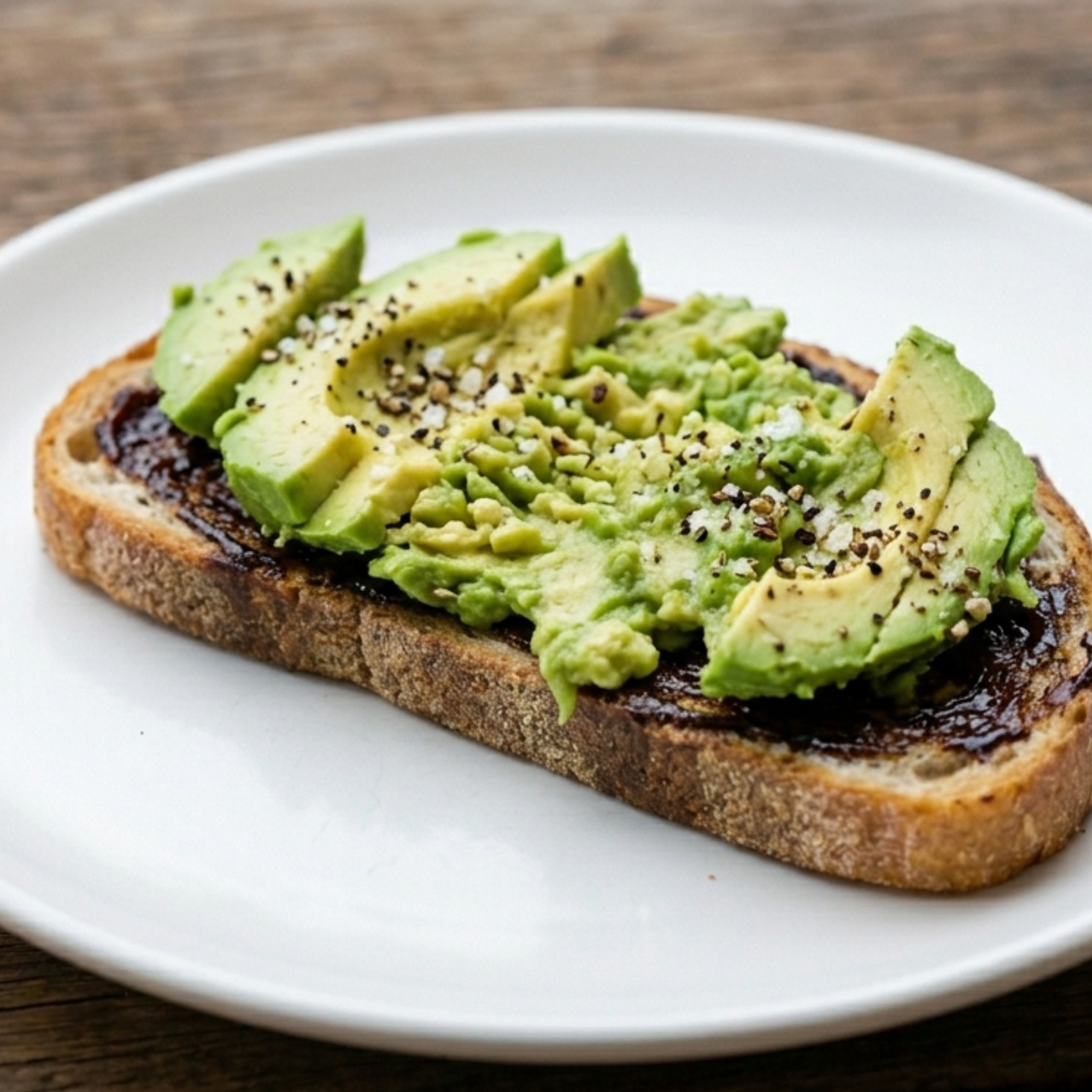
The Mite Spread That Made Us Stop Missing Vegemite
Four ingredients, five minutes, and a spread that is genuinely better than Vegemite. Here is what is in it and why the nutritional profile is worth knowing about
Read more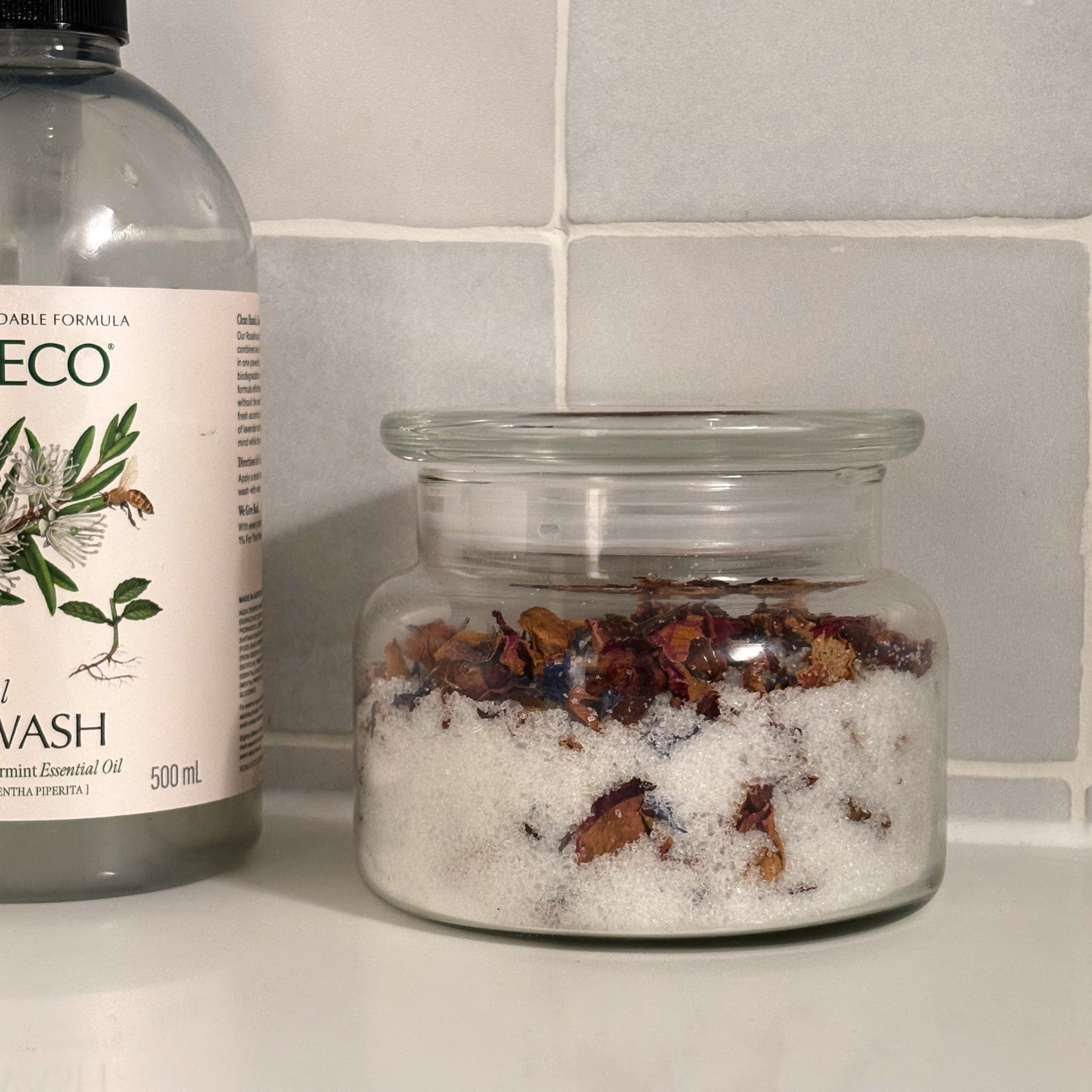
Homemade Bath Salts: One Hour, No Phone and What It Does for Your Body
One hour in a bath with no phone does more than help you relax. Here is what it actually does for your nervous system, your gut and why epsom salts are worth the fuss.
Read more

%20was%20just%20food.%20Not%20a%20wellnes...)