

Signs of Candida Overgrowth (and What's Actually Causing It)
If you've been dealing with bloating, sugar cravings you can't shake, or brain fog that won't lift no matter what you try, candida overgrowth might be worth looking into. It's one of the most commonly overlooked contributors to ongoing gut and skin symptoms, often mistaken for IBS, hormonal issues, or simply "just how your body is now."
Here's what candida actually is, the signs worth paying attention to, and why it gets out of balance in the first place.
What Is Candida, Really?
Candida albicans is a yeast that lives naturally in the gut, mouth and skin of most healthy people. In balance, it causes no issues at all, it's just one part of a diverse microbial ecosystem. It's only when that ecosystem shifts that candida gets the opportunity to overgrow, shift into a more invasive form, and cause the symptoms so many people associate with it.
This is an important distinction. Candida isn't a foreign invader you need to eradicate, like a parasite might be. It's an imbalance you need to correct. That reframe matters, because it changes the goal from attack to rebalance, a gentler and more sustainable way to approach a cleanse.
Common Signs of Candida Overgrowth
Everybody experiences overgrowth differently, and symptoms can show up in ways that seem unrelated to each other at first. Some of the most common signs include:
- Bloating, gas or digestive discomfort after meals
- Sugar and carbohydrate cravings that feel hard to control
- Brain fog or low energy, particularly after eating
- Recurring thrush or vaginal irritation
- Skin flare ups such as eczema, rashes or fungal skin infections
- A white coating on the tongue
- Persistent fatigue that doesn't lift with rest
If several of these feel familiar, it may be a sign your gut ecosystem needs some support.
Why Candida Overgrows in the First Place
Candida overgrowth rarely happens on its own. It's almost always a sign that something else has disrupted the gut first. Common contributors include:
Antibiotic use. Antibiotics clear out the beneficial bacteria that normally keep candida in check, often creating the exact opening candida needs to take hold.
A high sugar or refined carbohydrate diet. Candida uses sugar as its primary fuel source, so a diet high in sugar and refined carbs gives it plenty to work with.
Chronic stress. Stress affects gut motility and immune function in ways that can feed overgrowth just as much as diet does.
Hormonal changes. The contraceptive pill, pregnancy and other hormonal shifts can all alter the gut environment.
A depleted gut microbiome. Illness, travel or a period of poor diet can all leave the gut more vulnerable to overgrowth.
Why Recurring Candida Keeps Coming Back
If you've dealt with candida before, only to have it return, you're not alone, and there's a reason for it. Addressing the yeast itself without addressing what allowed it to overgrow in the first place is one of the most common reasons people find themselves back at square one a few months later. Pharmaceutical antifungals can clear symptoms quickly, but they don't rebuild the beneficial bacteria that keep candida in check long term, which is often why it resurfaces.
A genuine approach needs to pair antifungal support with real dietary and lifestyle change, not just a short term fix.
Where To Go From Here
If this sounds like what you've been experiencing, the next step is understanding what a proper rebalancing protocol actually looks like, the diet, the antifungal and binder support, and how long it genuinely takes to see lasting results.
We've put together a complete guide to our approach in our Candida Cleanse eBook, which walks through the full 30 day protocol, our diet philosophy, and the daily rhythm that makes it sustainable enough to actually finish.
Jenna x
Read more
Supporting Evidence Action - Your order supports global wellness
Shopping with Zeally Herbs means you’re directly contributing to a global wellness initiative. By Supporting Evidence Action, your purchase helps deliver essential deworming treatments to children ...
Read more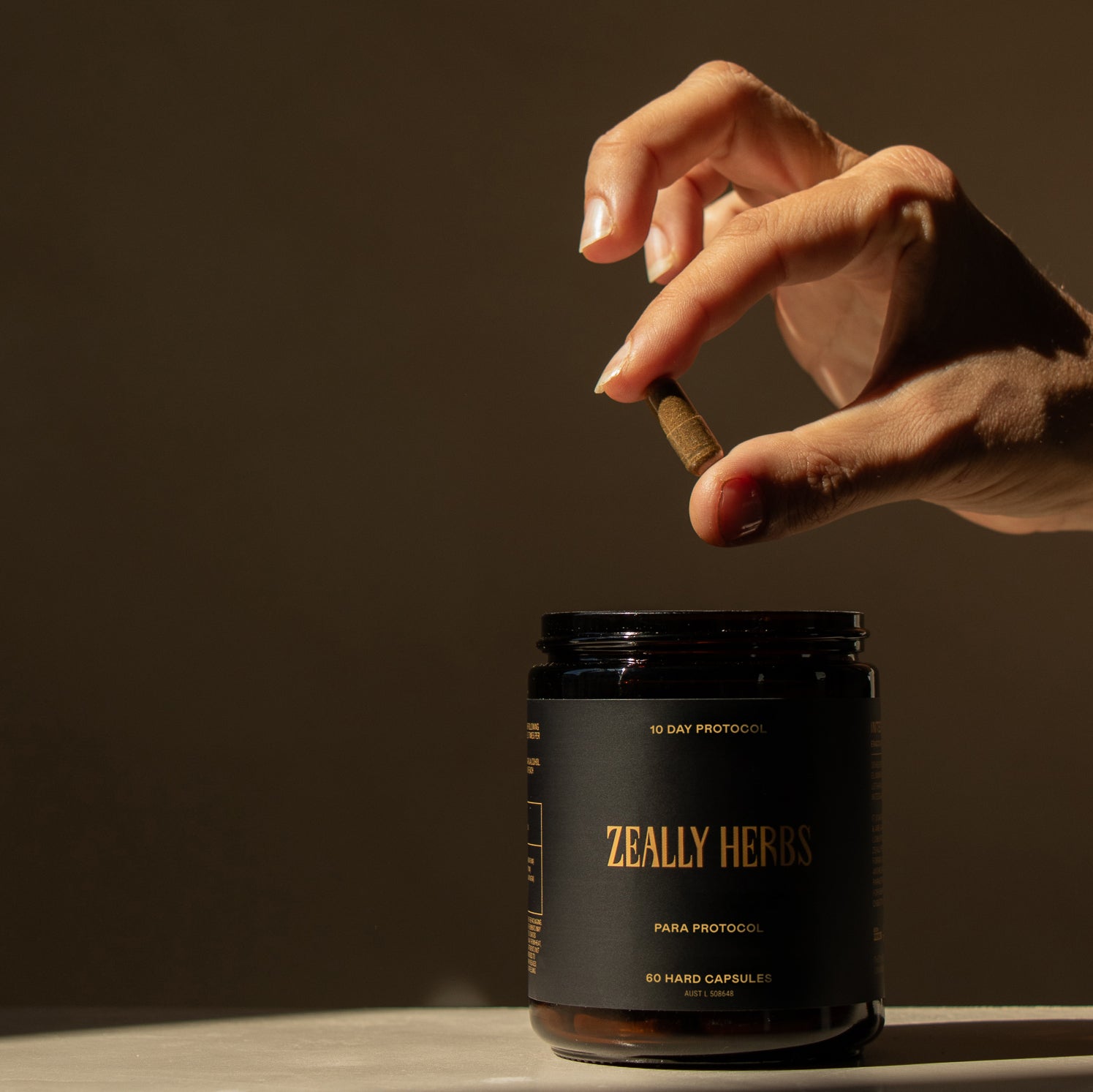
Wormwood: What It Does and Why It Is in Para Protocol
Wormwood has been used against intestinal parasites for centuries. Here is what the herb actually does, how it works, and why it belongs in any serious cleanse.
Read more

